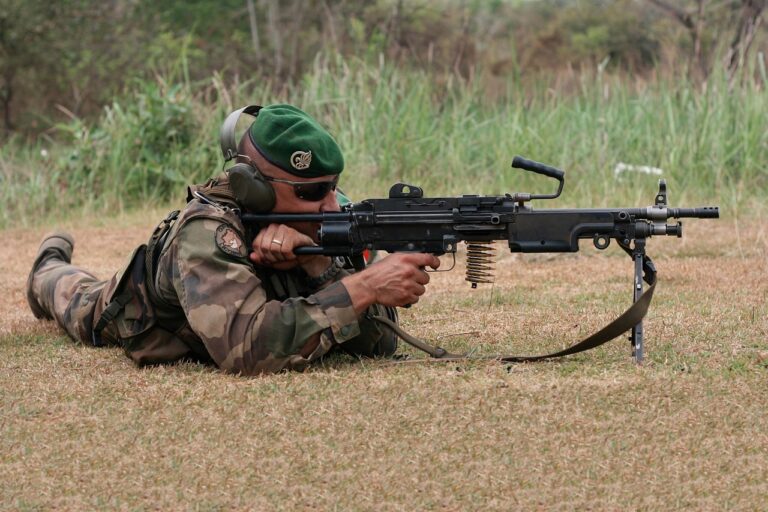






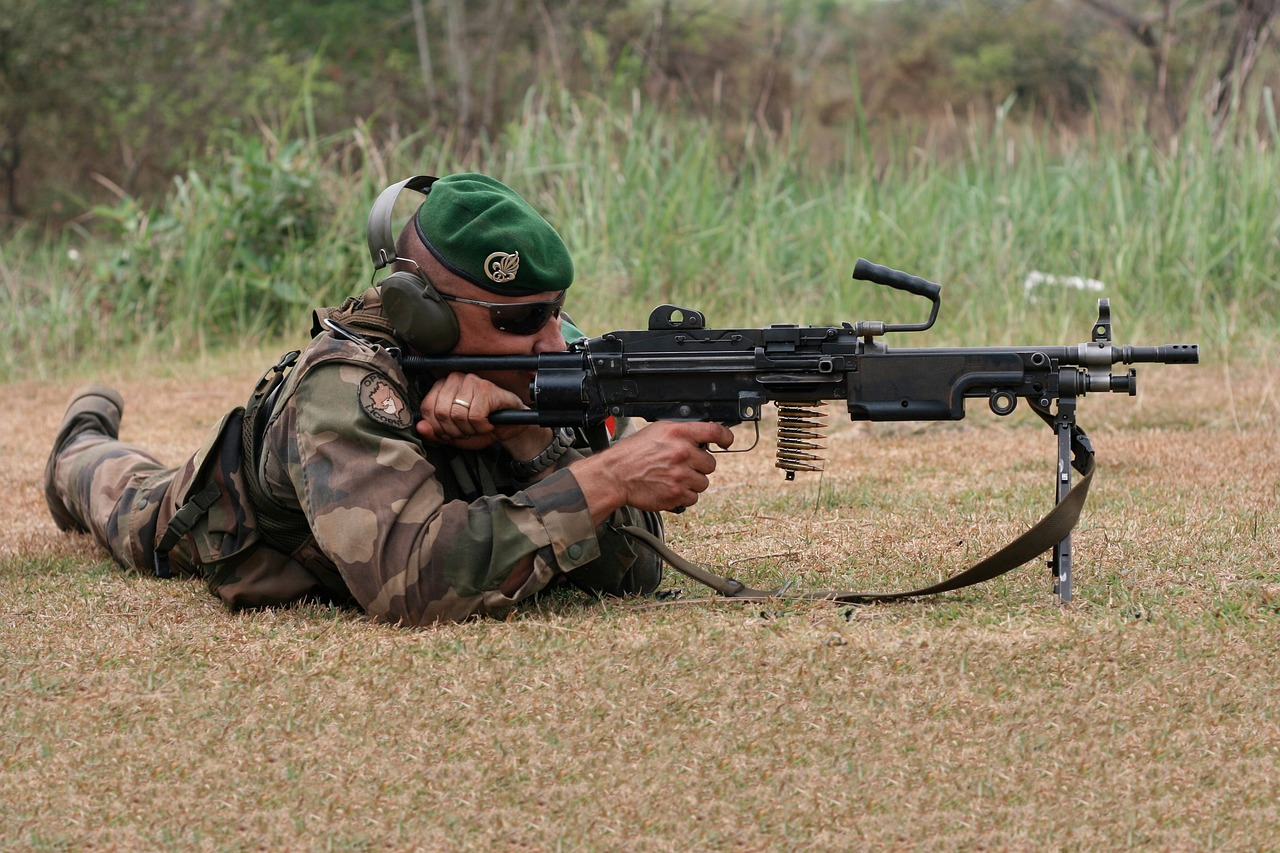
The French Foreign Legion, an elite corps of the French army, opens its doors to volunteers from around the world. Are you considering taking your chance? Discover here the key stages of the recruitment process, presented in five sections, and our tips to maximize your chances of success. Officially, selection is organized in three phases (evaluations, selection, incorporation) and lasts about 2 to 3 weeks.
1) Prerequisites and Administrative Requirements

Prepare for the French Foreign Legion exam
a. Prerequisites
To apply to the French Foreign Legion, you must be over 17 and under 40 years old on the day you present yourself at the information post. No school diploma is required, but you must at least be able to read and write in your mother tongue. Candidates must be physically fit to serve anywhere, at any time and without restriction, and ready to sign an initial 5-year contract, which is non-negotiable. Candidates from outside the Schengen area must present a passport (only), valid or not. Candidates from a Schengen country or from Ireland, Cyprus, the United Kingdom, Monaco or Andorra must present a national identity card and/or a passport, valid or not. The Legion does not handle visa procedures for candidates. Criminal records are examined case by case by the recruiters.
b. Administrative Procedures
The first step is to present yourself in person in metropolitan France, either at a French Foreign Legion information post in your region or directly at one of the preselection centers in Aubagne or at Fort de Nogent (Fontenay-sous-Bois). There is no remote recruitment, and you should not send any information before you arrive. To facilitate the administrative formalities, you can usefully bring documents attesting to your past, such as a residence permit, a photocopy of the family record book, possible marriage or divorce certificates, a birth certificate extract, a driver’s license, a mobile phone, school certificates or diplomas, military service records, the ESS (Etat Signalétique et des Services) for those who have served in the French or foreign armed forces, and the JAPD or JDC (defense and citizenship day) certificate. If you are a minor, you must also provide a handwritten parental authorization signed by both parents or legal guardian(s), along with photocopies of the parents’ identity documents.
2) 1st Phase of Tests: Physical Condition, Medical Examination, and Motivation Interview
This first phase, called evaluations, takes place at a French Foreign Legion preselection center (Fontenay-sous-Bois at Fort de Nogent, or Aubagne). It includes motivation interviews, sports tests, an initial medical examination and the signing of the five-year enlistment contract.
a) Physical Tests
i. Luc Léger (Shuttle) Test
This endurance test involves back-and-forth runs over a 20-meter distance at a progressively increasing speed. It measures maximal aerobic speed (VO2max). The goal is to reach the highest possible level, with level 5 as a minimum (equivalent to 2,500 m in the Cooper test).
ii. Strength and Endurance Tests

Pull-ups: Pull-ups with an overhand (pronated) grip, starting from a fully suspended position with arms extended and returning to the starting position between each repetition.
Swimming: It is strongly recommended to be able to swim at least 25 meters without any equipment assistance.
Body Mass Index: Your BMI must be between 18 and 30 kg/m².
b) Medical Examination
General Examination and Specific Tests
An initial medical examination checks that you are medically fit to serve, and an additional medical examination follows in the next phase. Requirements include healthy or treated teeth (masticatory coefficient of at least 40%). Bring all medical documents concerning previous surgery or illnesses (including a consolidation certificate attesting the absence of after-effects), your health record book if you have one, and your glasses if you have a vision problem. Examples of causes of unfitness include chronic diseases that are currently active or under treatment, vision or hearing that is too weak, and surgery with significant after-effects.
c) Motivation Interview
i. Evaluation of Resilience and Motivation
During the motivation interviews, the candidate is questioned about their reasons for joining the French Foreign Legion, their expectations, and future ambitions. These interviews seek to understand the individual’s determination and ability to persevere in the face of challenges.
This first phase of tests is crucial for filtering individuals according to their aptitude to meet the rigors of training and life within the French Foreign Legion. Candidates are fed and housed during the selection tests, and leave the recruitment center as soon as they fail one of the tests.
After passing this first phase, candidates move on to the second phase, called selection, at the French Foreign Legion selection and incorporation center in Aubagne.
3) Second Phase of Tests, More Comprehensive
a) Advanced Psychometric Tests
The psychometric tests include logic tests requiring no academic knowledge and a personality test. They evaluate your cognitive abilities and help the Legion discover who you are. The content of these tests remains confidential in order to preserve equal opportunities among all candidates, but the Legion publishes a sample test you can practice with.
b) Additional Motivation and Security Interviews
This phase also includes an additional motivation interview, a security interview and an additional medical examination. These steps help determine which participants possess the qualities and determination necessary to become a legionnaire.
4) Appearance Before the Selection Commission
At the end of the selection phase, the candidate appears before the selection board. This step is crucial, as it determines whether the person will be accepted into the ranks of the Legion or not. The board may issue a final failure (in which case it is not possible to reapply) or a temporary failure, with a timeframe ranging from a few months to a year. Successful candidates then go through the incorporation phase in Aubagne: announcement of results, formalities prior to incorporation and presentation of the contract in the Hall of Honor of the French Foreign Legion Museum. They then leave for the 4th Foreign Regiment for a 4-month training course before being assigned to an operational regiment. The top 10 in the rankings get the regiment of their choice; the others choose according to available openings and the Legion’s needs.
5) The 5 Most Important Tips to Successfully Join the French Foreign Legion
- Physical and Mental Preparation: Before applying, train regularly, especially for pull-ups and the Luc Léger test, and learn to swim. The tests are not designed for world champions, but a minimum of preparation shows your level of motivation.
- Self-Control and Resilience: Develop your ability to remain calm under pressure. Physical fitness is not enough; you must demonstrate great self-mastery to remain operational under any circumstances. It’s no longer just about you; your future legionnaire comrades must always be able to count on each other.
- Complete Documentation and Honesty: Ensure you are properly prepared and bring your identity document and useful administrative documents, as well as the required items: a pair of sports shoes, a toiletry kit, 3 sets of spare underwear and a maximum of 70 euros in cash. Weapons (including knives) and vehicle or house keys are prohibited. Moreover, know that honesty in your responses and during the recruitment process is also crucial.
- Total Commitment: Show that you are fully committed to the Legion and its values. You will need to demonstrate sacrifices and dedication. Commitment also means willingness to adapt to a rigorous lifestyle and sometimes extreme situations. This implies putting the needs of the mission and the team before your own, being ready to overcome personal and professional challenges daily.
Conclusion
The recruitment process of the French Foreign Legion is rigorous and demanding, but it is designed to select the most capable and motivated individuals and forge them through difficulty. By following these steps and carefully preparing yourself, you will maximize your chances of success and joining the ranks of this elite unit. Good luck!

#French Foreign Legion #Legionnaire #Army #Candidate #Recruitment #Preselection
Images by Joachim Hillsund from Pixabay
Sources
- Conditions for enlisting (Foreign Legion, official)
- Contracts and career within the Legion (official)
- Applying to the Foreign Legion (official)
Exam ArenaFrench Foreign Legion
Assess your level
A corrected exercise modelled on the test format.